The 23rd Dutch-Belgian DataBase Day (DBDBD) 2026
The 23rd edition of the Dutch-Belgian DataBase Day will be held in Delft, The Netherlands on Friday 4 December 2026.
📬 Acceptance Decisions Sent: Notification of acceptance decisions have been sent out via email to all submitting authors. The workshop registration deadline is 23 November 2026 (15 November). Review the schedule on the
Call for Abstracts page 📄.
📅 Program Published: The detailed schedule featuring three keynote talks, oral research sessions, and the accepted poster track is now available on the Program page 📋.
🍽️ DBDBD Social Dinner (Thursday, 3 Dec): Arriving in Delft early? DBDBD attendees are invited to join the attendees of the Quantum Workshop for dinner at historic Stadsherberg De Mol (18:30). Please register for the dinner → (more info on the Dinner page).
Registration is now open! The fee is €85 for MSc & PhD students and €105 for other participants. Review all details on the Registration page or sign up directly using the online registration form 🎟️.
The workshop venue is finalized at the Ampère lecture hall in Building 36 (EEMCS) at TU Delft (Mekelweg 4, Delft). Check our Venue page for directions and travel guidance 📍.
For any questions or inquiries, please contact the organizing committee at dbdbd2026@googlegroups.com.
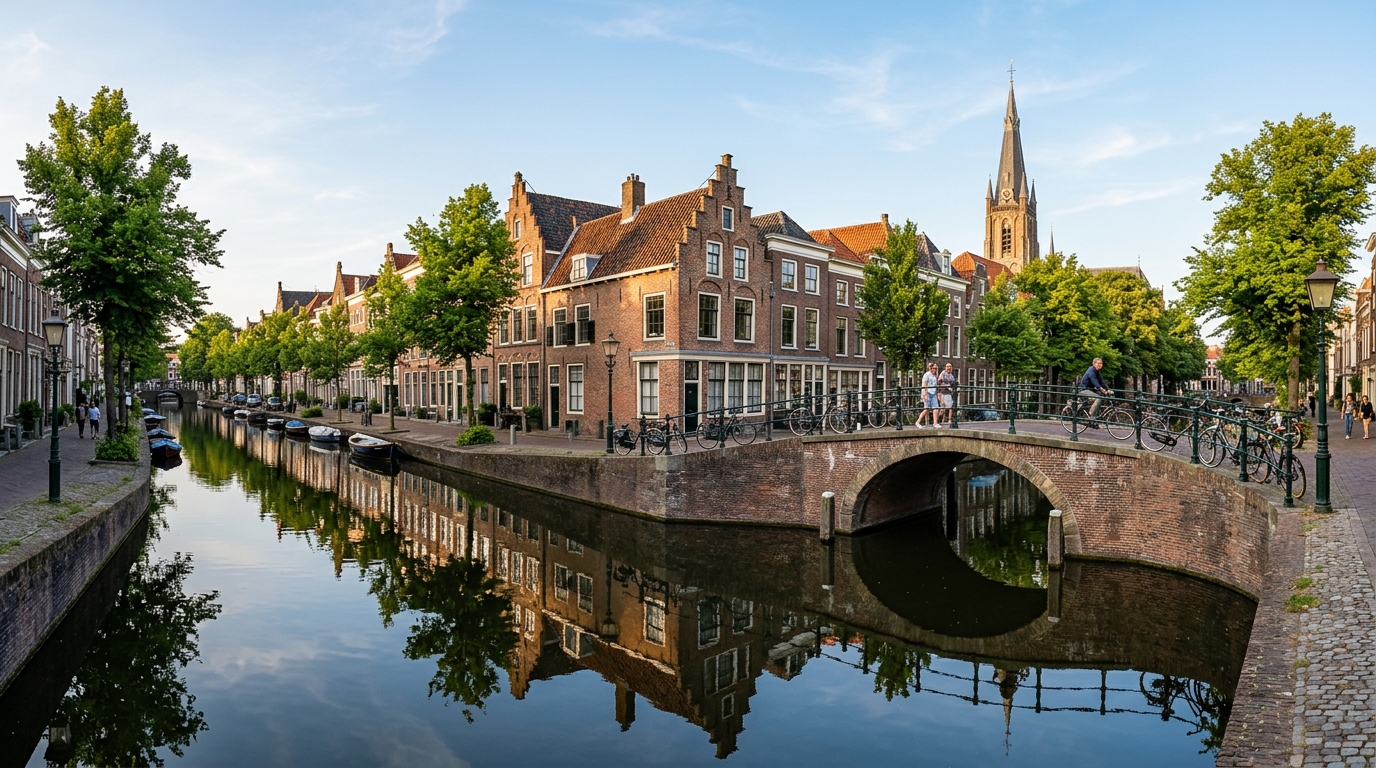 Delft, The Netherlands
The Dutch-Belgian DataBase Day (DBDBD) is a yearly one-day workshop, organized in turn by a Belgian or Dutch university, with a focus on database research. DBDBD 2026 will take place in the Ampère lecture hall (Building 36, EEMCS) at TU Delft, The Netherlands.
At DBDBD 2026, junior and senior researchers from the Netherlands and Belgium will present their recent results and connect with colleagues in the field of data management. The workshop offers an excellent opportunity to exchange ideas, discover ongoing research in Dutch and Belgian universities, and foster new collaborations.
The program will feature poster sessions and selected oral presentations. There are no printed proceedings. Abstracts of accepted contributions will be published on the DBDBD 2026 website.
We invite submissions (1-page abstracts) on a broad range of database and database-related topics. This includes core areas such as data storage and management, database theory, querying, semantics, and ontologies, as well as work at the intersection of databases with other disciplines such as machine learning, large language models, artificial intelligence, information retrieval, distributed systems, and data science. Based on the submissions, the workshop will be organized into sessions that highlight different themes.
🚨 News
Registration is Open
Registration for DBDBD 2026 is officially open (€85 MSc & PhDs / €105 others). Payment instructions will be sent via email after the registration deadline.
Registration info →Program Details & Schedule Published
The detailed workshop program, oral presentations across three thematic sessions, and the accepted poster track are now live!
View program →Venue: Ampère Hall (Building 36, TU Delft)
DBDBD 2026 will take place in the Ampère lecture hall in Building 36 (EEMCS) on the TU Delft campus.
Directions & travel →DBDBD Social Dinner (3 Dec)
Attending DBDBD and arriving in Delft early? You are invited to join the Quantum Workshop attendees for dinner at Stadsherberg De Mol!
Dinner details & registration →Keynote: Lieven Vandersypen
We are delighted to announce Lieven Vandersypen (Chief Scientist of QuTech) as keynote speaker!
Program details →Keynote: Paul Groth
Paul Groth (University of Amsterdam) will deliver a keynote on "The Knowledge Placement Problem".
Program details →Keynote: Peter Boncz
Peter Boncz (CWI / VU Amsterdam) will deliver a keynote on "Data Systems Research in the age of AI".
Program details →SIKS Participation
Organized in cooperation with SIKS (Netherlands Research School for Information and Knowledge Systems).
Registration info →🎤 Invited Keynote Speakers
DBDBD 2026 will feature three distinguished keynote presentations by leading researchers:
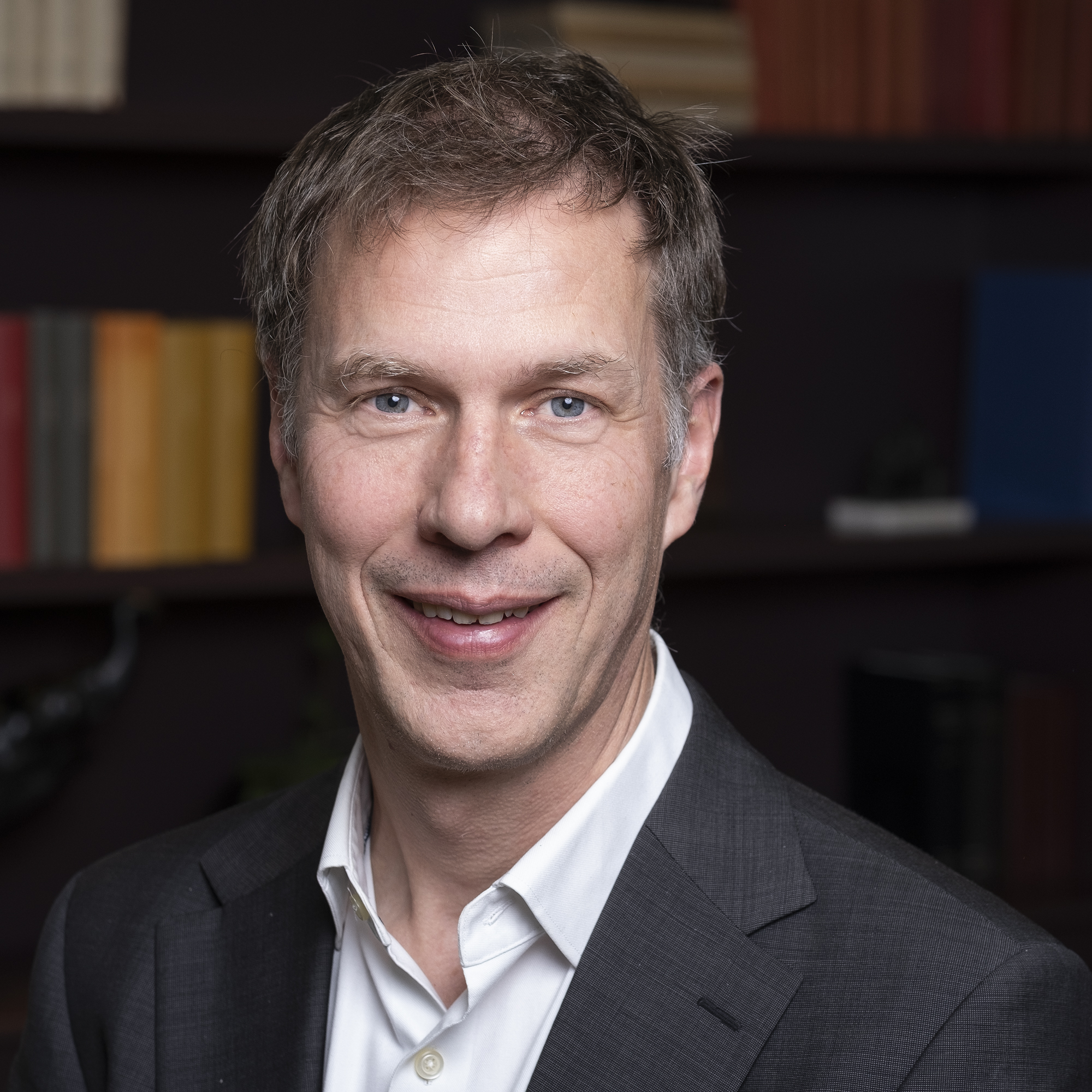
Lieven Vandersypen
Lieven Vandersypen received his PhD in Electrical Engineering from Stanford University (2001), where he famously demonstrated Shor's quantum algorithm for finding the prime factors of fifteen. Since 2006, he has been Antoni van Leeuwenhoek professor at TU Delft, where he leads a group that pioneered quantum computing based on electron spins in semiconductor quantum dots. His work focuses on devising novel building blocks for large-scale quantum dot spin qubit processors. Vandersypen has received Starting, Synergy and Advanced grants from the European Research Council, and is a fellow of the American Physical Society. He is a member of the Royal Netherlands Academy of Arts and Sciences and received the Spinoza Prize, the highest scientific award in the Netherlands.
View in Program →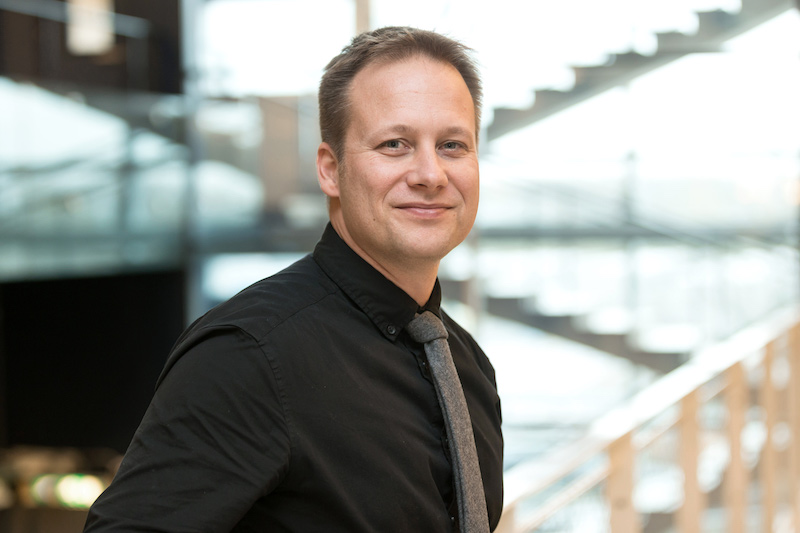
Paul Groth
Paul Groth is Professor of Algorithmic Data Science at the University of Amsterdam, where he leads the Intelligent Data Engineering Lab (INDElab) and serves as scientific director of the UvA Data Science Center. He holds a Ph.D. in Computer Science from the University of Southampton (2007) and has conducted research at the University of Southern California, Vrije Universiteit Amsterdam, and Elsevier Labs. His research focuses on intelligent systems for dealing with large amounts of diverse, contextualized data with a particular emphasis on web and science applications, including data provenance, data integration, and knowledge graphs. Groth co-chaired the W3C Provenance Working Group that developed the PROV standard and contributed to the FAIR data principles.
View in Program →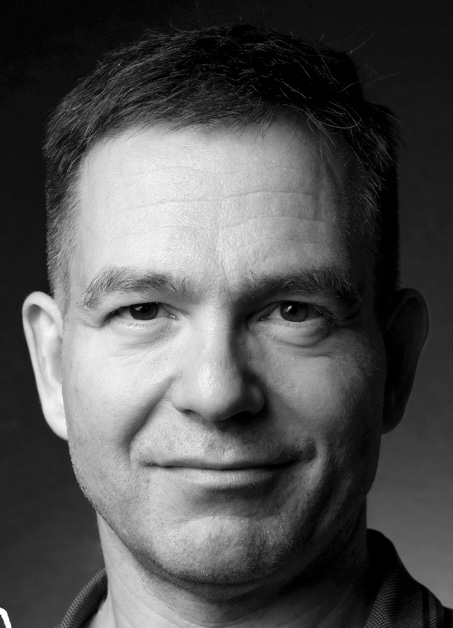
Peter Boncz
Abstract: In this talk I will share my perspective on what makes data systems research valuable and interesting, and how AI is impacting our research area. The talk will be both high-level and visit shortly concrete ongoing research projects at CWI. The topics discussed will range from the changing landscape of data-intensive software architectures to new data types and query functionality, new forms of storage and query execution, the use of non-CPU hardware and changing ways of doing science in the age of AI.
Biography: Peter Boncz holds appointments as tenured researcher at CWI and professor at VU University Amsterdam. His academic background is in database systems, with the open-source column-store MonetDB the outcome of his PhD. He has a track record in bridging the gap between academia and commercial application, founding multiple startups. In 2008 he co-founded Vectorwise around the analytical database system by the same name, which pioneered vectorized query execution, and lightweight data compression; which have been adopted broadly in analytical database systems. Recent work to make data (de)compression data-parallel and AI/GPU-friendly led to the FastLanes data format. In recent years he has collaborated closely with both Databricks and with MotherDuck, a startup that is connecting DuckDB to the cloud. DuckDB originates from the Database Architectures research group, which he leads at CWI — the Amsterdam research institute where also python was created.
View in Program →👥 Organizing Committee
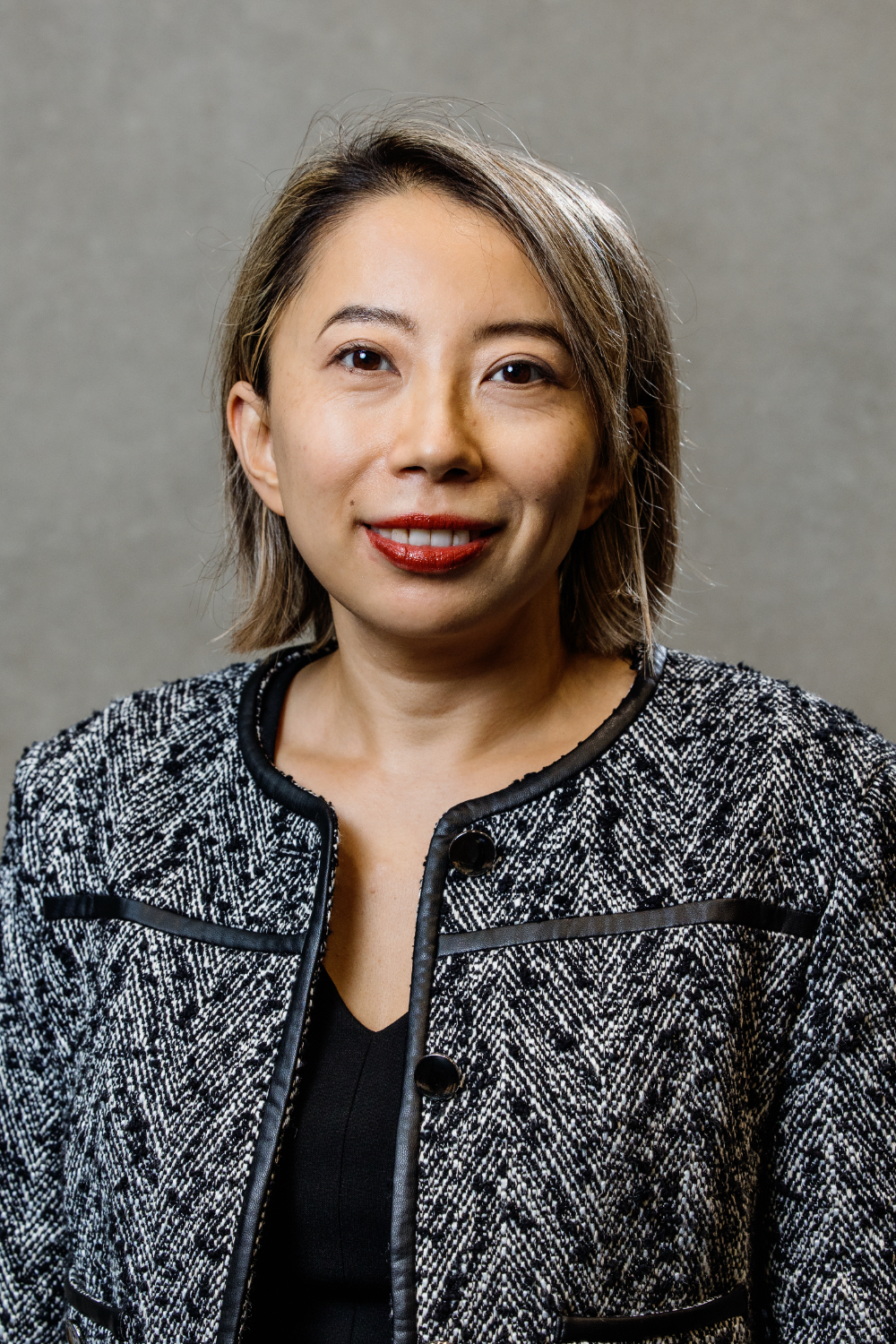
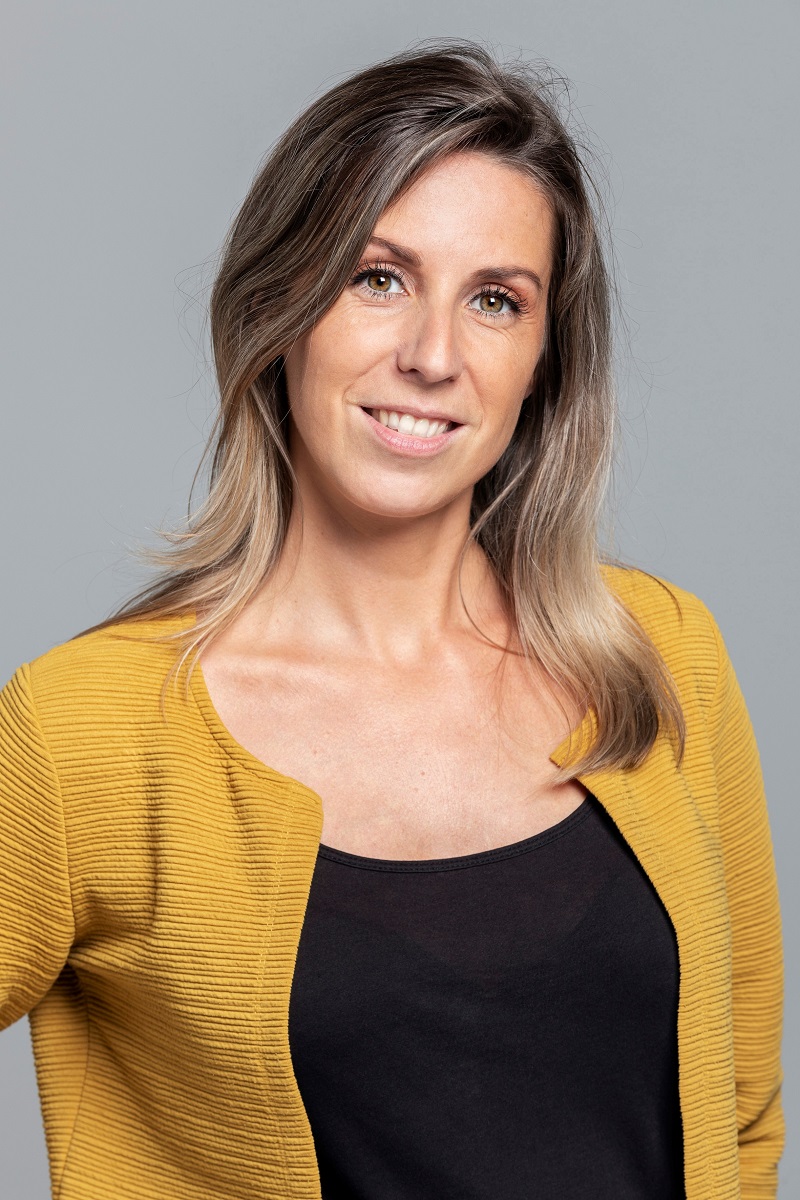
Organized by Web Information Systems & Data-Intensive Systems at Delft University of Technology (TU Delft).